
Introduction : Natural Resources – The Foundation of Life on Earth
Natural resources are the valuable materials provided by nature that fulfill the needs of living beings on Earth. These include air, water, sunlight, soil, forests, minerals, and fossil fuels. They exist freely in the environment and play a crucial role in maintaining the ecological balance and supporting life. Without natural resources, the survival of humans, plants, and animals would not be possible. These resources are not only essential for biological survival but also for economic and technological progress.
Natural resources are the materials we get directly from the nature. In countries like India, where agriculture and industry both depend heavily on nature, these resources play a very important role in daily life.
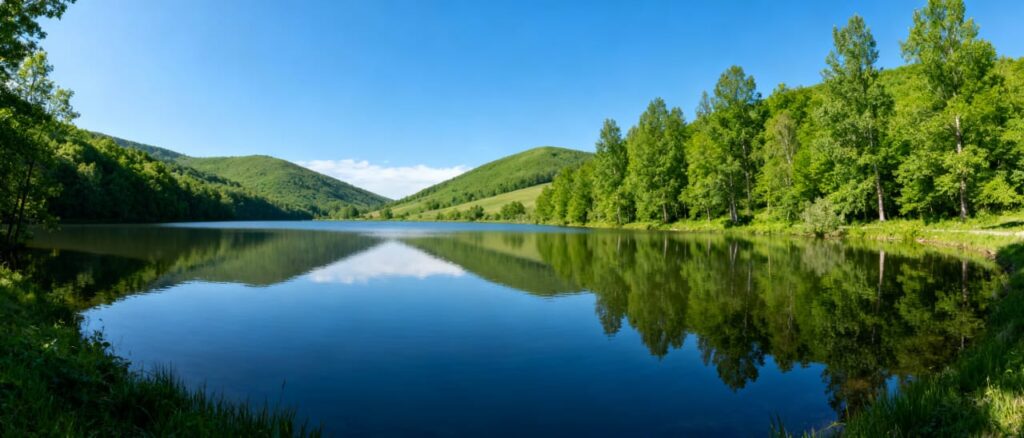
Everything we use in our daily life — from the food we eat to the electricity that powers our homes — comes directly or indirectly from nature. Natural resources support farming, industries, transportation, and even modern technology. They help countries grow and improve living standards across the world. However, as human needs keep increasing, these resources are being used faster than they can be replaced. To secure our future, it’s important that we use natural resources wisely and protect them through sustainable practices. Responsible use today will ensure that future generations can also enjoy the same benefits of a healthy and resource-rich planet.
Definition :- Natural resources are the basic gifts of the nature that support life in the earth. In simple words, these are the things we get directly from nature and use in our daily life.
Read more Global Warming
Types of Natural Resources
Natural resources are classified into different categories based on their availability, origin, and renewability. Understanding these categories helps us manage and use them efficiently for the benefit of current and future generations.
1. On the Basis of Renewability
Renewable and non-renewable resources form the most common classification of natural resources.
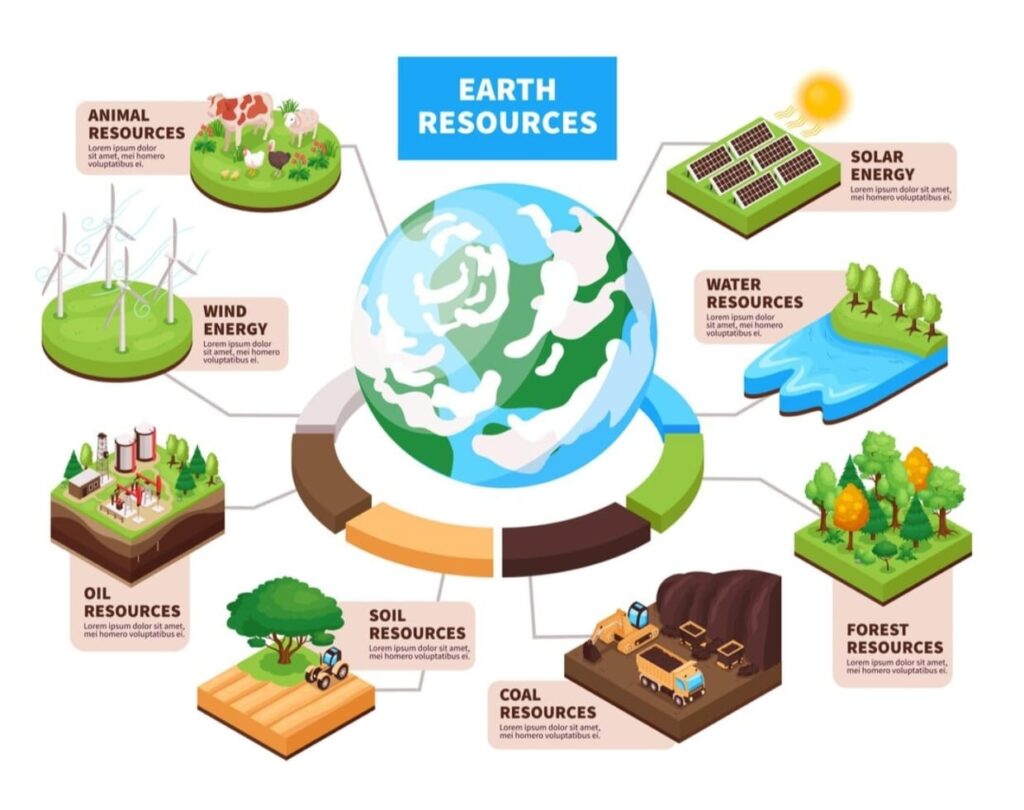
• Renewable Resources: These resources can be replenished naturally over time and are available continuously. Examples include sunlight, air, water, and forests. Solar and wind energy are among the cleanest renewable resources. However, misuse can still lead to temporary scarcity, such as water shortages or deforestation if trees are cut faster than they grow. Sustainable management ensures these resources remain available for future generations.
• Non-Renewable Resources: These resources exist in limited quantities and take millions of years to form. Examples include coal, petroleum, and natural gas. Once depleted, they cannot be easily replaced. These are extensively used in transportation, industries, and energy generation. Overdependence on them causes pollution and contributes to global warming, making the transition toward renewable energy vital.
2. On the Basis of Origin
Natural resources are also divided based on whether they originate from living or non-living sources.
• Biotic Resources: These are obtained from living organisms such as plants and animals. Forests, livestock, and marine life are examples of biotic resources. Fossil fuels like coal and petroleum are also considered biotic since they form from the decomposition of ancient plant and animal matter. These resources are vital for food, clothing, medicine, and energy production.
• Abiotic Resources: These come from non-living sources such as air, water, soil, and minerals. Metals like iron, copper, and gold are important abiotic resources used in industries, construction, and technology. They play a key role in urbanization, transportation, and infrastructure development, making them indispensable for modern life.
3. On the Basis of Availability
Another classification of natural resources depends on their availability and ability to regenerate after use.
• Exhaustible Resources: These are resources that can be depleted over time due to overuse. Examples include coal, petroleum, and minerals. They exist in limited quantities, and their excessive extraction can lead to scarcity and environmental harm. Once consumed, they take millions of years to regenerate.
• Inexhaustible Resources: These resources are abundant in nature and are not likely to be exhausted by human activities. Examples include sunlight, air, and wind. They provide continuous energy and are the foundation of sustainable development, especially through renewable technologies.
Read more About Earthquake
Uses of Natural Resources
Natural resources are indispensable for human survival and progress. They are used in almost every aspect of daily life and global development. Forests supply wood, paper, medicines, and raw materials for industries while also providing shelter to countless species. Water is vital for drinking, sanitation, agriculture, transportation, and power generation. Minerals such as iron, copper, gold, and aluminum are essential in construction, manufacturing, and technology. Fossil fuels like coal, petroleum, and natural gas serve as the main sources of energy for industries, vehicles, and electricity generation.
Renewable resources such as solar, wind, and hydropower are increasingly being used to meet energy demands in an eco-friendly way. Soil supports food production, while biodiversity contributes to medicine, ecosystem stability, and food security. In short, natural resources form the raw foundation of all human activity—from agriculture and industry to science and innovation.
Natural resources are deeply integrated into every aspect of human life. Forests supply timber, paper, and oxygen while maintaining ecological balance. Water is essential for drinking, irrigation, and generating hydroelectric power. Minerals such as iron, aluminum, and copper are used in manufacturing, construction, and electronics. Fossil fuels power vehicles and industries, while sunlight supports agriculture and solar energy production. Even wind and geothermal energy contribute to modern energy solutions, making natural resources the backbone of economic progress.
Importance of Natural Resources
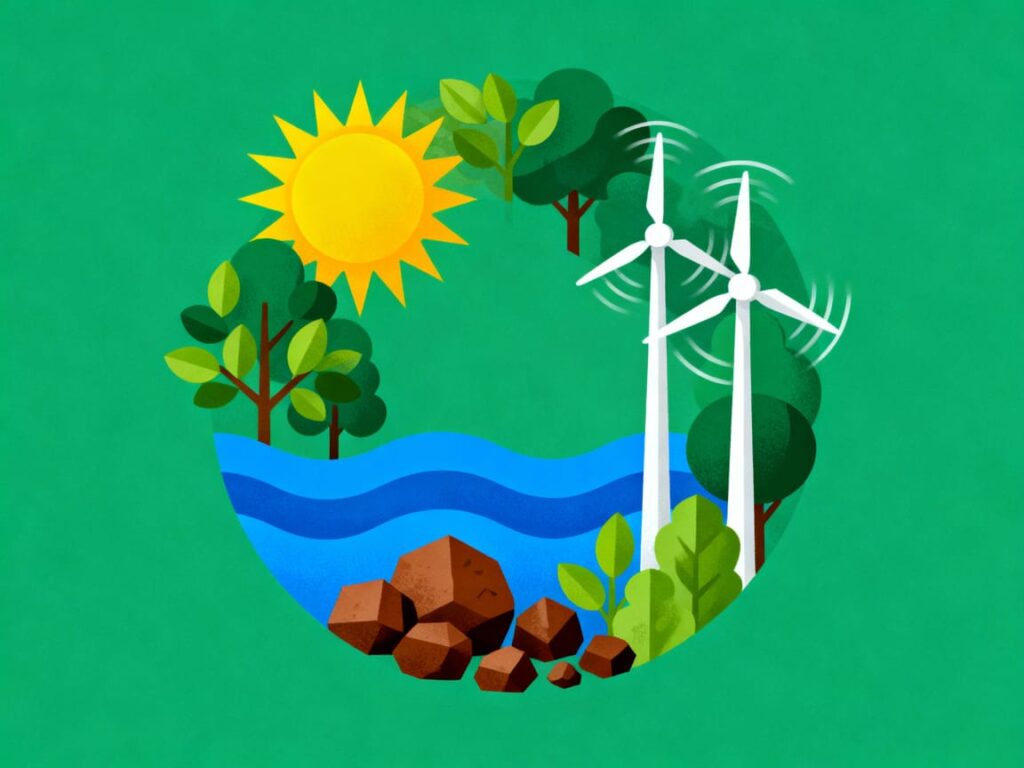
Natural resources are the backbone of economic and social development. They provide the essentials of life—air, water, food, and shelter—and form the basis of trade, industry, and technological advancement. Forests and oceans regulate the Earth’s climate, absorb carbon dioxide, and release oxygen. Soil fertility determines agricultural productivity, ensuring food supply for billions of people.
Moreover, minerals and fossil fuels drive economic growth by powering machines, transport, and industries. Water resources sustain ecosystems, agriculture, and energy systems. Without these resources, modern civilization would collapse. Beyond their practical importance, natural resources maintain ecological balance, support biodiversity, and help sustain a healthy planet for future generations. Conserving them ensures long-term stability and prosperity for all living beings.
Natural resources form the foundation of life and civilization. They provide food, shelter, clothing, and raw materials for industries. Forests purify air and control climate, while soil supports agriculture and sustains biodiversity. Water ensures the survival of living beings and enables power generation. Minerals and fossil fuels drive technological development, making these resources the foundation of global growth and prosperity.
Human Impact on Natural Resources
Human activities have significantly altered and, in many cases, degraded natural resources. Deforestation for agriculture, urbanization, and logging leads to habitat destruction, soil erosion, and loss of biodiversity. Excessive mining depletes mineral reserves and contaminates soil and water. Overfishing and industrial pollution have reduced marine life and damaged aquatic ecosystems. The burning of fossil fuels contributes to global warming, air pollution, and climate change.
Unsustainable agricultural practices, such as overuse of chemical fertilizers and pesticides, deplete soil nutrients and pollute groundwater. Population growth and industrialization increase the demand for resources, leading to overexploitation and environmental imbalance. If current trends continue, essential resources like freshwater, fertile soil, and forests could face irreversible damage. To reduce human impact, adopting renewable energy, recycling, sustainable farming, and environmental awareness are essential steps toward restoring ecological balance.
Human activities have drastically affected natural resources. Deforestation for urbanization, mining, and agriculture has led to habitat loss and soil erosion. Overfishing and industrial pollution have reduced marine biodiversity. The excessive use of fossil fuels releases greenhouse gases, intensifying climate change. Unsustainable farming practices deplete soil nutrients and cause desertification. To reverse these trends, responsible consumption and eco-friendly practices are necessary.
Depletion and Threats to Natural Resources
The depletion of natural resources poses a serious challenge for sustainable development. Industrialization, population growth, and pollution have accelerated this problem. Mining, overfishing, and deforestation degrade soil, water, and air quality. The loss of biodiversity disturbs ecological balance, threatening both wildlife and human survival. Unchecked exploitation may lead to long-term scarcity and environmental crises.
Ways to Conserve Natural Resources
Conservation is the responsible management of natural resources to prevent their depletion. Planting trees, using renewable energy, recycling waste materials, and reducing plastic usage are practical steps individuals can take. Governments can implement strict environmental laws, promote sustainable farming, and encourage clean technologies. Public awareness and education about environmental protection also play a vital role in preserving natural wealth for future generations.
Global Efforts and Sustainable Development Goals (SDGs)
The United Nations and global organizations have taken significant steps to promote sustainable use of resources. Agenda 21 and the Paris Climate Agreement focus on reducing carbon emissions and conserving biodiversity. The UN’s Sustainable Development Goals (SDGs), especially Goals 12, 13, 14, and 15, emphasize responsible consumption, climate action, and ecosystem protection. Countries worldwide are adopting renewable energy solutions, green technologies, and conservation policies to ensure a balanced coexistence between development and nature.
Conservation and Sustainable Use
Sustainable development means using resources wisely without compromising the ability of future generations to meet their needs. Afforestation, efficient water management, recycling, and adopting renewable energy are key strategies. By balancing human needs with ecological limits, we can secure a stable and prosperous future.
Read more About Environment
Conclusion
Natural resources are gifts of nature that sustain all forms of life. They shape our environment, economy, and future. However, their misuse and overexploitation threaten life on Earth. Every individual, organization, and government must contribute to conserving these resources. When used responsibly, natural resources can ensure a sustainable and harmonious coexistence between humans and nature.
As Theodore Roosevelt said: “The conservation of natural resources is the fundamental problem. Unless we solve that problem, it will avail us little to solve all others.”
In simple terms, natural resources are the foundation pf human survival. without proper and use conservation, future generation may face serious challenges.